Food as Your Medicine: Living Longer & Healthier

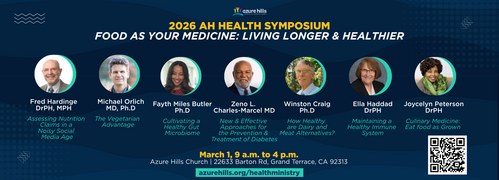
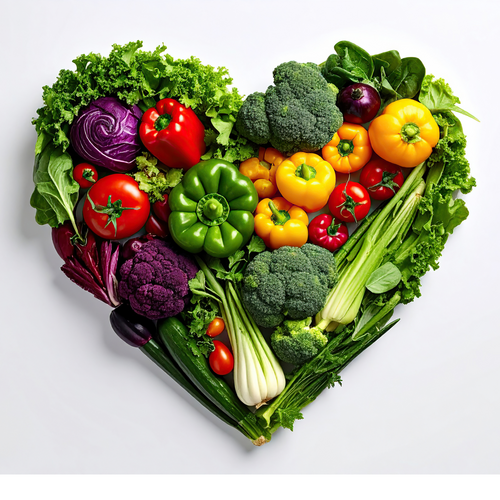
Food is very central to good health. Making good choices impacts our future life. This symposium will help you make those good choices and show you that food can be your medicine for a longer and healthier life. The speakers, all professional health experts, will show you how to critically analyze nutrition messages in the media, and identify red flags for misinformation and disinformation. You will learn what to eat to achieve a healthy immune system and have a healthy gut, and how to manage your blood sugar and prevent diabetes. There will be a discussion of which meat and dairy alternatives can have a place in a healthy diet. The advantages of a vegetarian diet will be outlined and you will learn how to prepare a plant-based meal to be attractive and healthy.
SCHEDULE:
9:00 am
9:20 am
10:05 am
10:50 am
11:00 am
11:40 am
12:20 pm

12:30 pm
 
1:25 pm
 1:30 pm
 2:15 pm
 3:00 pm
 3:45 pm
PRESENTER
Welcome
Fred Hardinge, DrPH, RD
Michael Orlich, MD, PhD
-QnA-
Fayth Miles Butler, PhD
Zeno Charles-Marcel, MD
-QnA-

Lunch Break

Welcome Back
Winston Craig, PhD
Ella Haddad, DrPH, RD
Joy Peterson, DrPH, RD
-QnA-
TITLE

Assessing Nutrition Claims in a  Noisy Social Media Age
The Vegetarian Advantage: Lessons from Adventist Health Studies
--
Cultivating a Healthy Gut Microbiome
New & Effective Approaches for the Prevention & Treatment of Diabetes
--

(on your own or if you pre-purchased a meal ticket)


How Healthy are Dairy and Meat Alternatives?
Maintaining a Healthy Immune System through Good Nutrition
Culinary Medicine
--

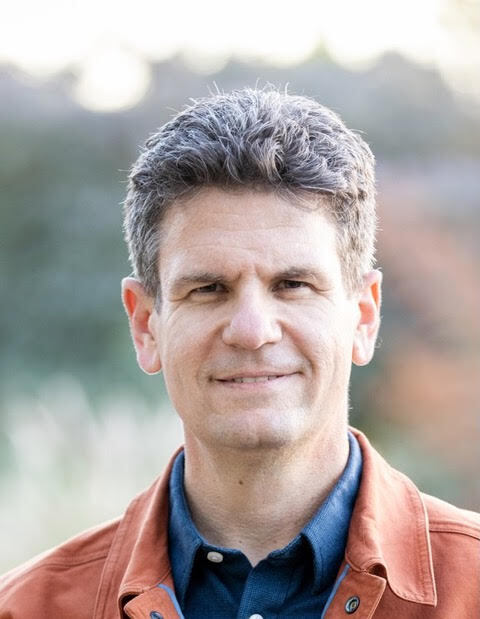
“This workshop was designed to cut through the noise. I want people to leave with trustworthy nutrition knowledge, practical tools for everyday choices, and confidence in separating real science from social-media myths.”

- Dr. Winston Craig, organizer

“As a church, we are hosting this health workshop because caring for our bodies is a sacred responsibility, and equipping our community with truthful, life-giving health knowledge is part of our gospel mission.”

- Linda Biswas, AHC Pastor for Community

I believe attendees will leave equipped to think critically about proper nutrition and make informed choices that lead to healthier, more vibrant lives—ultimately empowering them to care for themselves and their families in ways that glorify God.

- Dr. Fargo Ramiz, AHC Elder for Health Ministries

Assessing Nutrition Claims in a Noisy Social Media Age

Presenter: Dr. Fred Hardinge, DrPH, MPH
This presentation will help equip participants to think critically about nutrition messages encountered in print and online media.. It explores how algorithms, influencers, and marketing shape food and health claims, highlights common red flags of misinformation, and provides practical tools for evaluating sources, evidence, and credibility so individuals can make informed, balanced, and health-enhancing nutrition decisions.

Questions:
1. How do my personal health beliefs, fears, or experiences influence what I am drawn
to?
2. Is this nutritional advice realistic, balanced, and sustainable for most people?
3. Who is making the claim? Are they selling a product, program, or personal brand?

The Vegetarian Advantage: Lessons from Adventist Health Studies

Presenter: Dr. Michael Orlich, MD, Ph.D
The Adventist Health Study-2, following over 96,000 participants across North America, has
documented associations between vegetarian and plant-based dietary patterns and reduced risks of
chronic diseases including cardiovascular disease, type 2 diabetes, and certain cancers. These findings
contribute to our understanding that the quality and source of nutrients may influence health
outcomes, with plant-predominant diets likely offering protective benefits that extend beyond the
inclusion or avoidance of specific foods to encompass whole dietary patterns. This research continues to
inform public health recommendations and demonstrates how faith communities practicing health-
conscious lifestyles contribute insights to nutritional science.

Questions:
1. Given that the Adventist Health Study shows health benefits across a spectrum from pesco-
vegetarian to vegan diets, how might individuals balance personal health goals with practical
considerations like family dynamics, food access, and cultural traditions when considering
dietary changes?
2. Scientific understanding of plant-based nutrition has shifted over time—from early questions
about whether vegetarian diets could provide adequate nutrition, to current recognition of their
role in disease prevention. How might this evolution in scientific knowledge inform the way we
hold and update our own beliefs about health practices, particularly when new evidence
emerges that challenges previous assumptions?

Cultivating a Healthy Gut Microbiome

Presenter: Dr. Fayth Miles Butler, PhD
The gut microbiome plays a critical role in regulating metabolism and immune health,
influencing systems beyond the digestive tract. This presentation will examine how
dietary patterns shape the gut microbiome, with emphasis on how fiber-rich, plant-
based diets promote beneficial microbial activity. The discussion will highlight how diet-
microbiome interactions influence disease risk, underscoring the importance of dietary
choices for long-term health.
 Questions
1. How might the foods we eat every day shape the gut microbiome over time?
 2. In what ways does the gut microbiome influence metabolism and immune health,
and how does this, in turn, influence disease risk?
 3. What does it mean that the gut communicates with the brain, and how might diet
play a role in that connection?

New & Effective Approaches for the Prevention & Treatment of Diabetes

Presenter: Dr. Zeno L. Charles-Marcel, MD
Type 2 diabetes affects millions, but the story has changed. It is no longer a death
sentence—in many cases, it can be prevented, better controlled, or even placed into
remission.  In this engaging talk we explore how everyday choices have become “new
treatments”  and how surgery and  high tech medications along with lifestyle practices
are transforming what it means to live well with diabetes or to avoid diabetes.

Questions:
1. How effective are lifestyle practices in managing diabetes?
2. What role does genetics play in type 2 diabetes?

How Healthy are Dairy and Meat Alternatives?

Presenter: Dr. Winston Craig, PhD
Plant-based meat alternatives contain concentrated plant proteins formulated to mimic the taste and
texture of meat and fish products. They are selected by flexitarians and vegetarians with desires for
better personal health, and for sustainability issues. Dairy alternatives are made from a wide variety of
plant foods- legumes, grains, nuts, seeds, and fruits. Some of the plant-based alternatives are heavily
processed and many are fortified with vitamins and minerals. Their use is known to lower the risk of
chronic diseases and mortality.

Questions:
1.Does the heavy degree of processing make the plant-based (PB) meat alternatives an unhealthy
choice? Does reading the nutrition label help you to decide a good choice? How do the PB meat
alternatives compare with eating whole protein foods like beans and lentils?
2. Are there plant-based dairy alternatives that are better than others? And what is the difference
between the various options? What should you look for in making a healthy choice?

Maintaining a Healthy Immune System

Presenter: Dr. Ella Haddad, DrPH
Is there an immunity-supporting diet? Yes, an immunity-supporting diet is abundant in
plant foods and rich in essential nutrients. The immune system is our body’s complex
defense network of cells, tissues, and organs that identify and fight off harmful invaders
and protect us from infection and disease. The nutrients in our food are the major
factors influencing how our immune system functions. In this presentation, we will
discuss how the vitamins C, D, and E, and the minerals zinc and selenium play special
roles in supporting immunity. We will show how saturated fat promotes pro-inflammatory
conditions, whereas certain other foods are anti-inflammatory. We will explain how diet
and gut microbiota are interrelated factors that together influence immune response.
Although there isn’t one miracle food, a diverse and balanced plant-based diet that
provides essential nutrients is the best for immune system function.

Questions:
1. Although we need a variety of foods, which foods in particular boost the immune
system do we need to take dietary supplements if we follow a plant diet?
2. Which foods are especially harmful to immunity?

Culinary Medicine: Eat food as Grown By Dr. Joycelyn Peterson

Presenter: Dr. Joycelyn Peterson, DrPH
Interest in Culinary Medicine has grown significantly over the years, Today the world is
expanding the reach of Food as Medicine programs. These evidence-based programs, share
case studies with practical recommendations. We will demonstrate how to prepare a healthy
plant-based meal for the prevention of chronic disease.

Questions:
1. How can one prepare a plant-based meal to lower one’s risk of diabetes?
2. Which plant foods have the strongest health promotional value?